


The technology:
Complete architectural video combining 3D animation, real footage, motion graphics, music, and narration — edited and graded in DaVinci Resolve Studio. From a 90-second marketing film to a multi-chapter development documentary.
Video production is the full-package format: 3D animation combined with real filmed footage, motion graphics, voiceover, music, and sound design, assembled and graded in DaVinci Resolve Studio. The result is a film, not just a visualization — a piece of content with a narrative arc, pacing decisions, and emotional register designed for a specific audience and purpose.
Film:
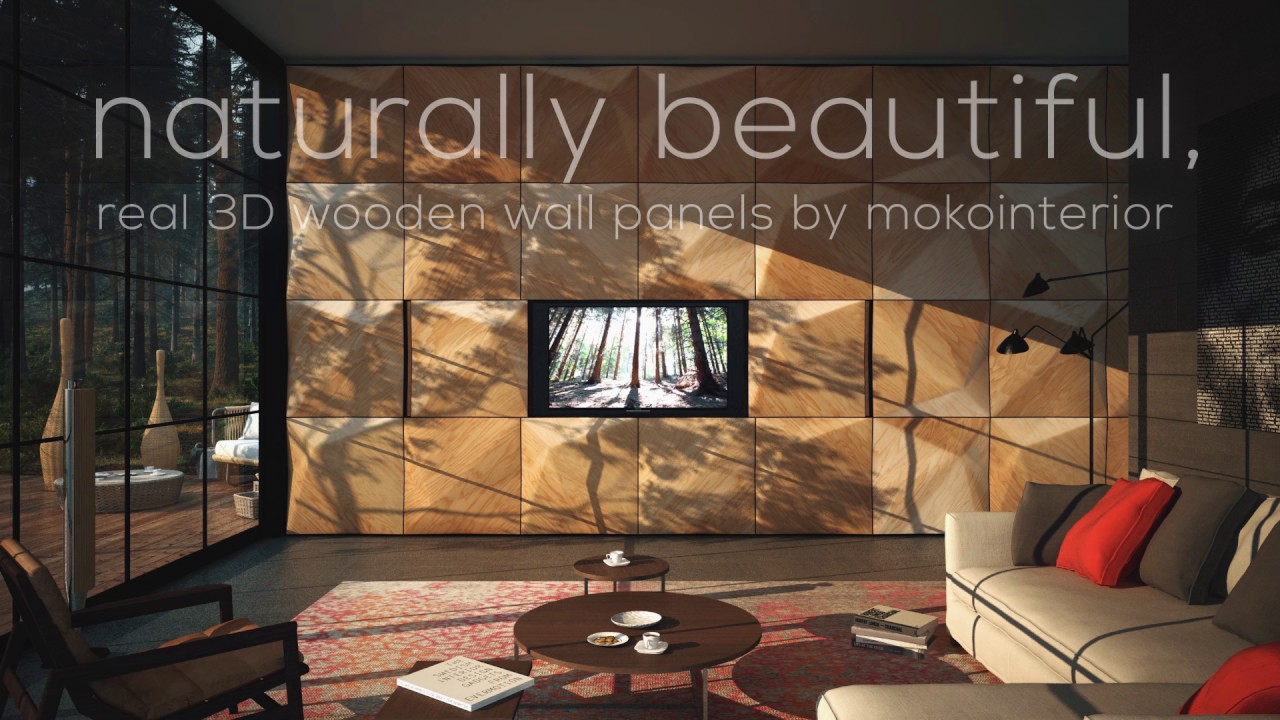
What video production adds over standalone animation
A 3D animation shows spaces moving. A production film communicates a story about a project. That distinction determines everything from script structure to music selection to how the edit is paced.
Narrative — the film has a point of view and a through-line. It might open with the problem a building solves, move through the design response, and close on the human experience of the completed space. Or it might be purely atmospheric — no voiceover, no text, just space and light and time. Either way, it’s structured, not a sequence of camera positions.
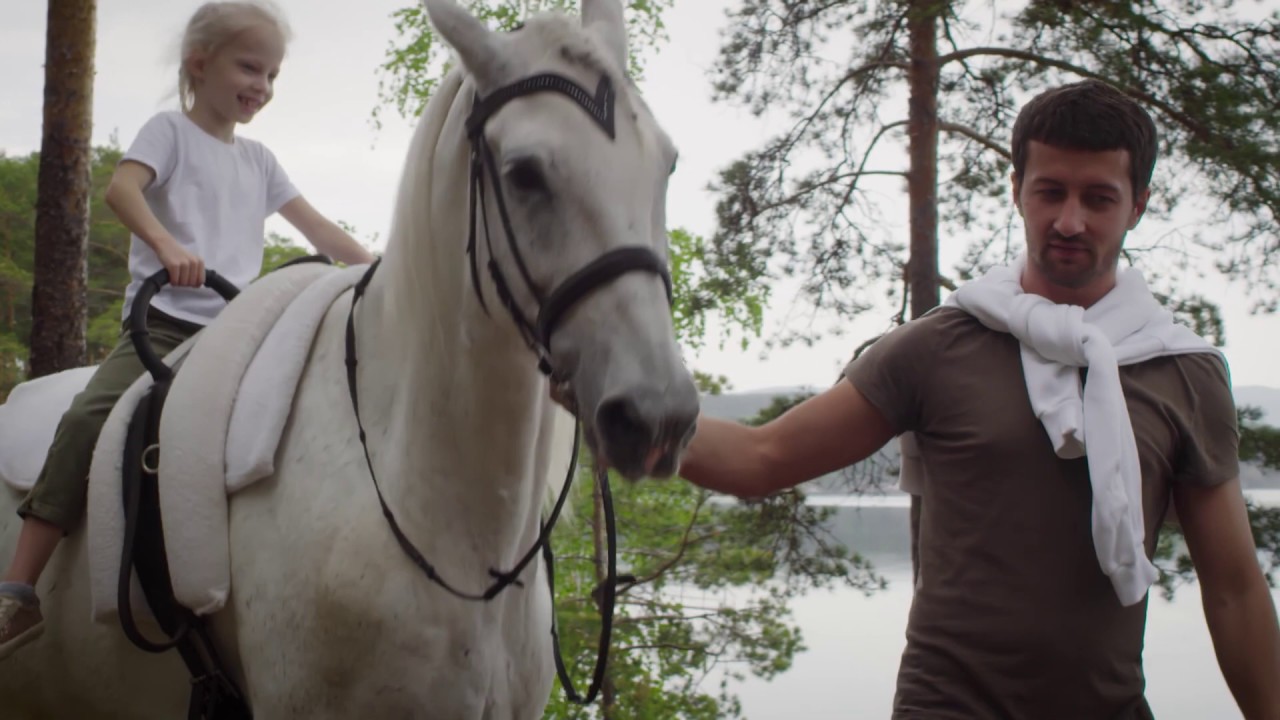
Real footage — site photography, construction progress, interviews, city context. Real footage grounds the visualization in reality and adds a texture that pure 3D cannot. We work with camera operators for location filming and integrate it with the 3D material in the edit.
Audio — music sets emotional register. Voiceover carries information. Ambient sound adds presence. All three are managed and mixed in DaVinci Resolve. We source licensed music, and offer human voiceover in multiple languages as well as AI voiceover where rapid turnaround or multilingual versions are needed.
Film:
Production in DaVinci Resolve Studio
DaVinci Resolve Studio is the only NLE we use. It handles the complete production pipeline:
- Edit — assembly, cut decisions, pacing, timing
- Fusion — motion graphics, title sequences, animated overlays and infographics built inside Resolve
- Color — full node-based grading with HDR monitoring. 3D renders and real footage are matched so cuts between them read cleanly
- Fairlight — audio editing, music placement, voiceover mix, sound design, final level compliance
- Delivery — 4K master, full HD distribution, social media versions at different aspect ratios and lengths
Film:
Film:
Types of production we handle
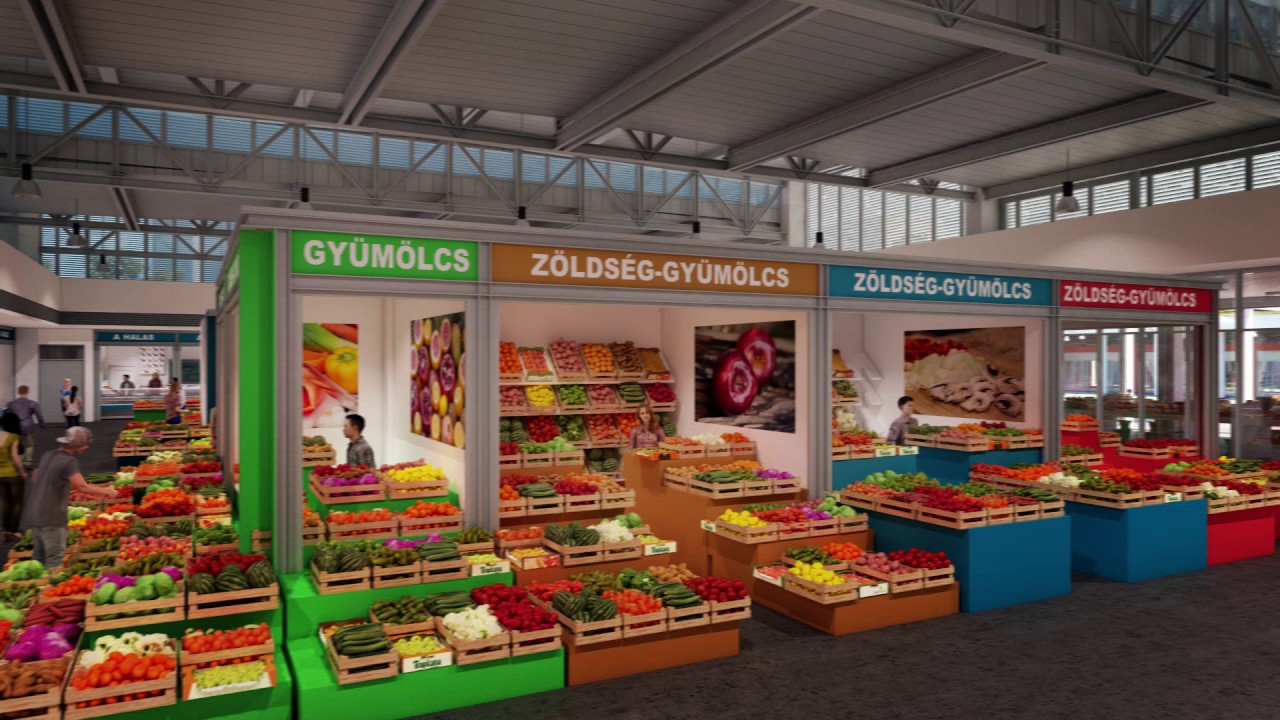
Marketing and pre-sales films — the most common format. 90 seconds to 3 minutes, combining renders and location footage, intended for websites, social media, and sales presentations. Script and storyboard developed with the client before production begins.
Development documentary — longer format tracking a project from concept to completion. Incorporates design process footage, client and architect interviews, construction progress, and completion. Used for institutional presentations, award submissions, and developer brand content.
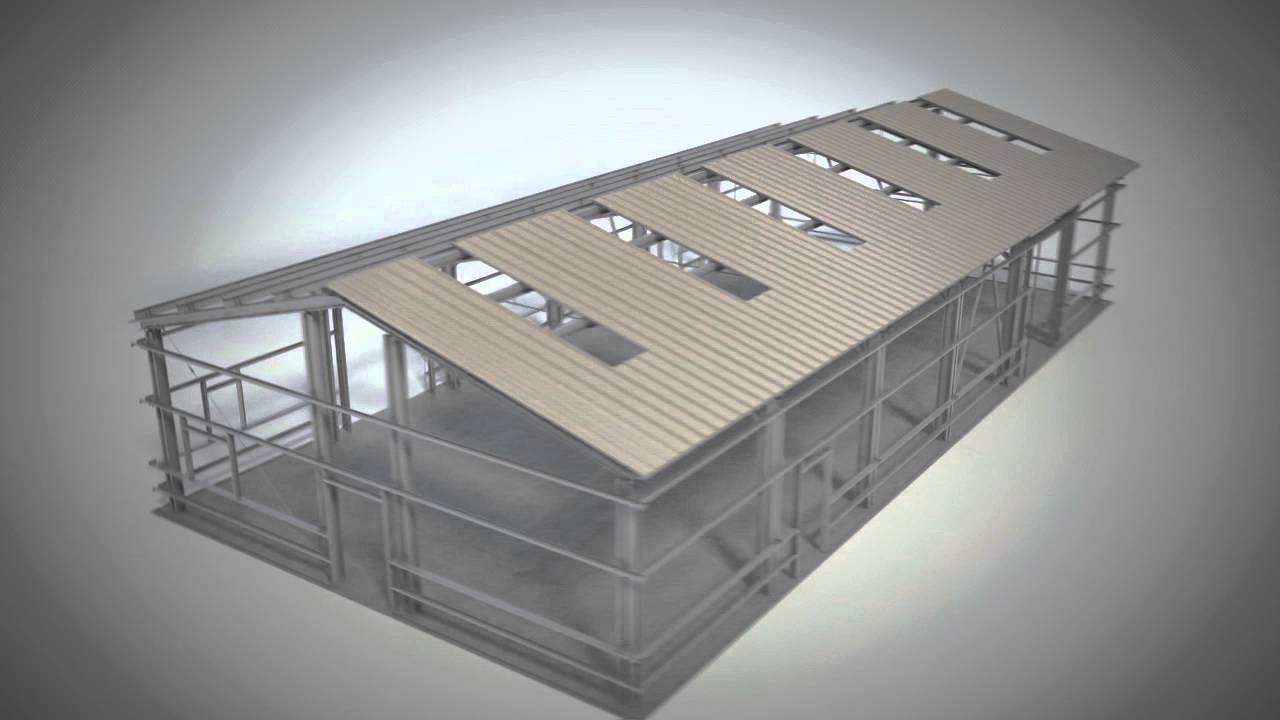
Construction and process explanation — animated sequences showing how a complex build is sequenced or how a technical system works. Used for contractor briefing, public consultation, and planning submissions where the construction impact needs to be communicated clearly.
Conference and event content — films designed for large-format screen presentation at product launches, competitions, or public events. Format and pacing are calibrated for a seated audience in a presentation context, not self-guided online viewing.
Film:
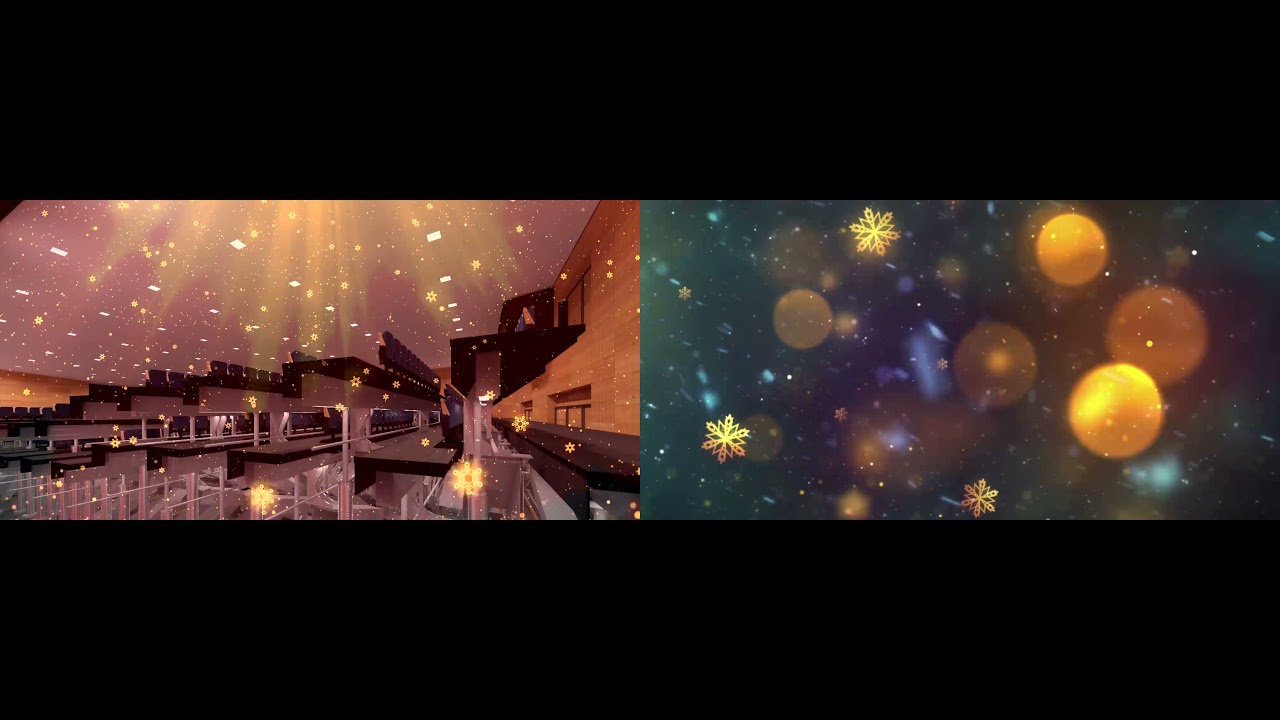
Film:
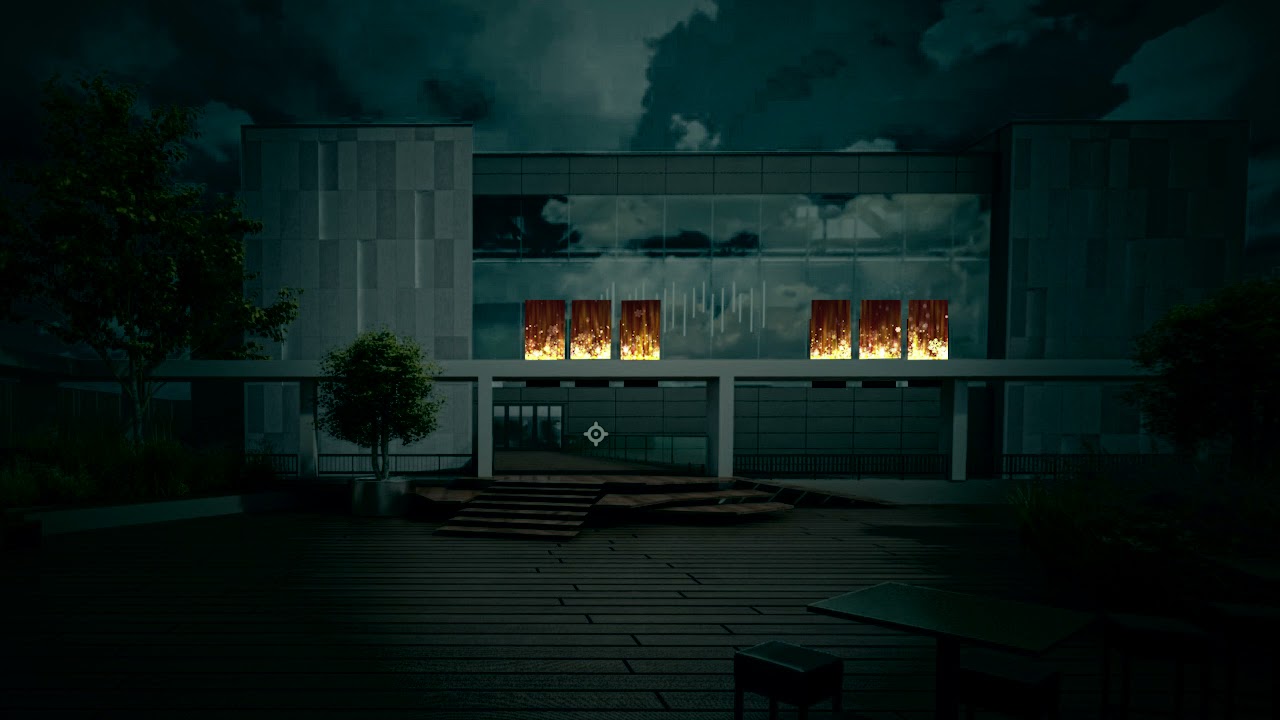
Film:
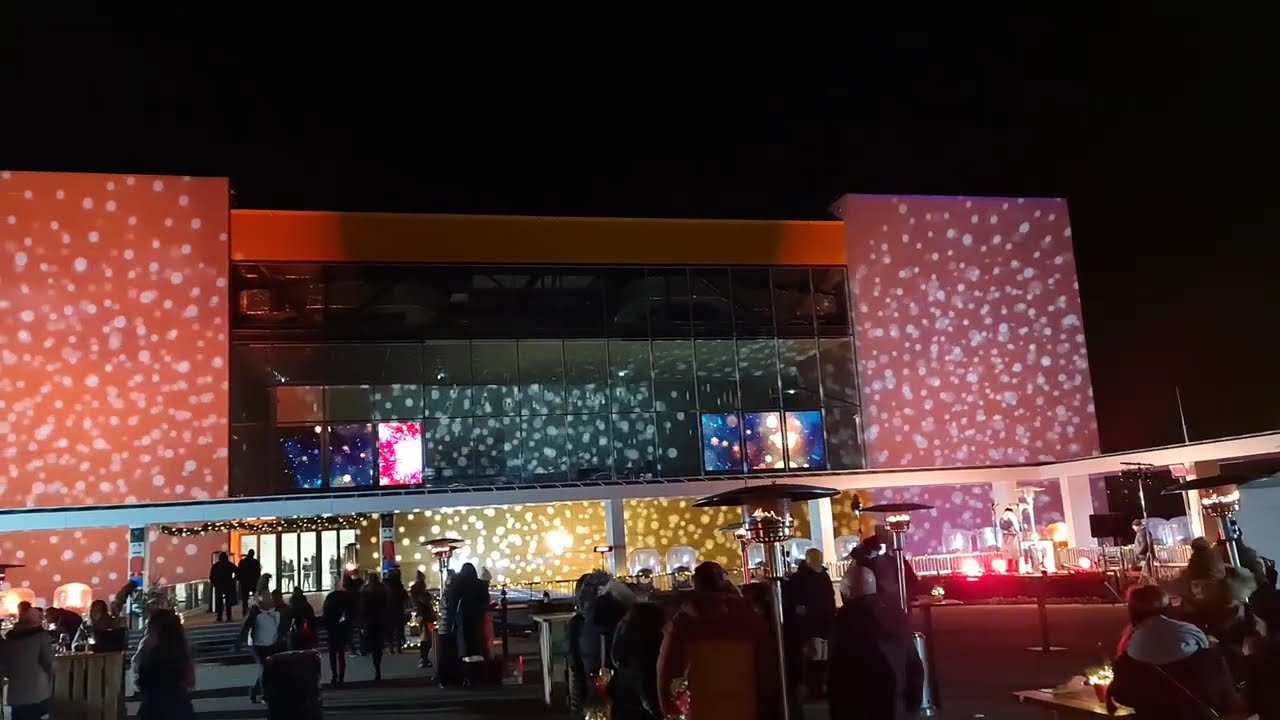
Film:
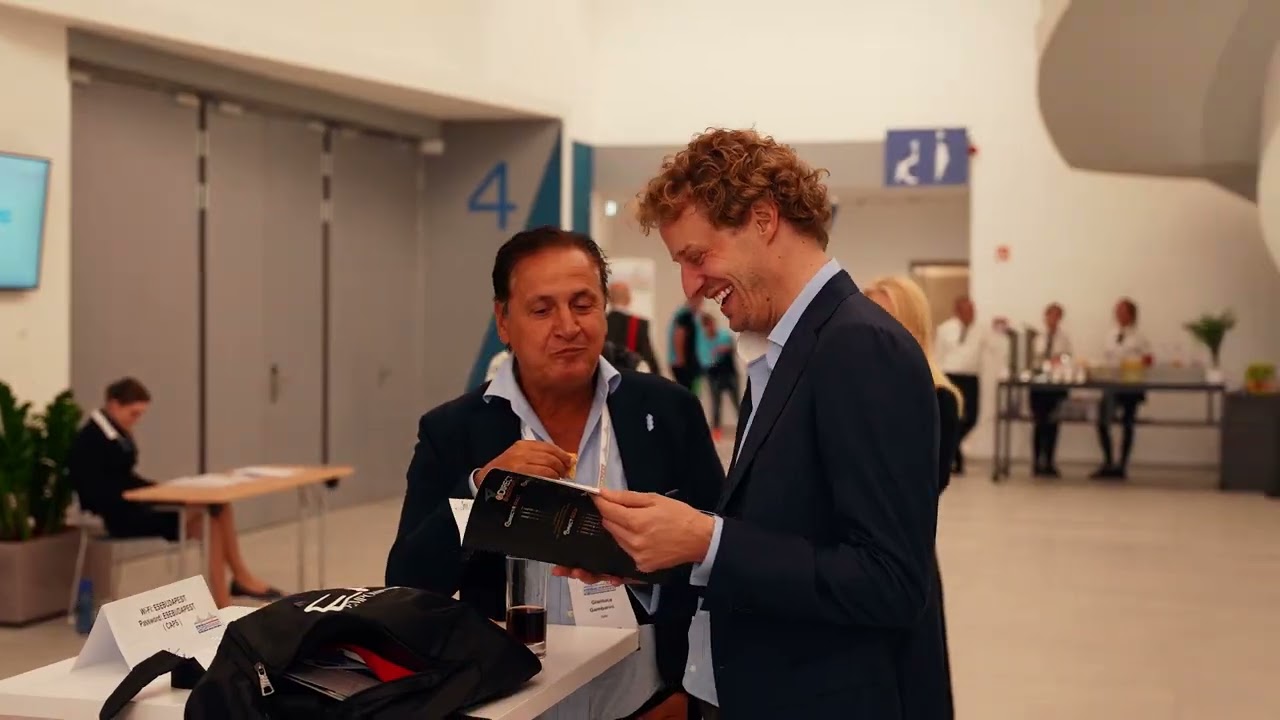
Film:

What we need from you
| Project brief | What the film is for, who it's for, and where it will be shown. These three questions determine format, length, and tone before anything else. |
| 3D assets | Existing renders or models we can use. If the 3D visualization is being produced as part of the same project, we coordinate between the two workstreams. |
| Real footage requirements | Is location filming needed? Existing footage available? Interview subjects? We scope the live-action component separately from the 3D work. |
| Voiceover | Required or not, language, tone. Human voiceover adds warmth and is preferred for prestige content. AI voiceover suits rapid multilingual versions or content that will be updated frequently. |
| Music | Style direction — tempo, instrumentation, emotional register. Or brief us on the atmosphere and we select from licensed libraries. |
| Delivery | Platform, screen size, technical specifications. Broadcast, web, social media, and presentation display all have different delivery requirements. |
Related techniques
For the animation component produced independently: 3D Animation
For AI-generated motion from rendered stills: AI Animation


